Jul 16, 2020 | Barossa Valley, Cellar Door, Fortified Wine, Home Barrel Advice, News and Views, Personalised Tastings, Taste Notes, Wines
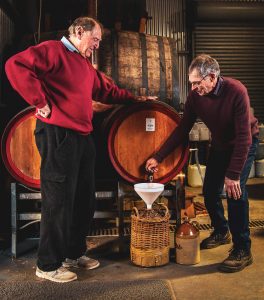
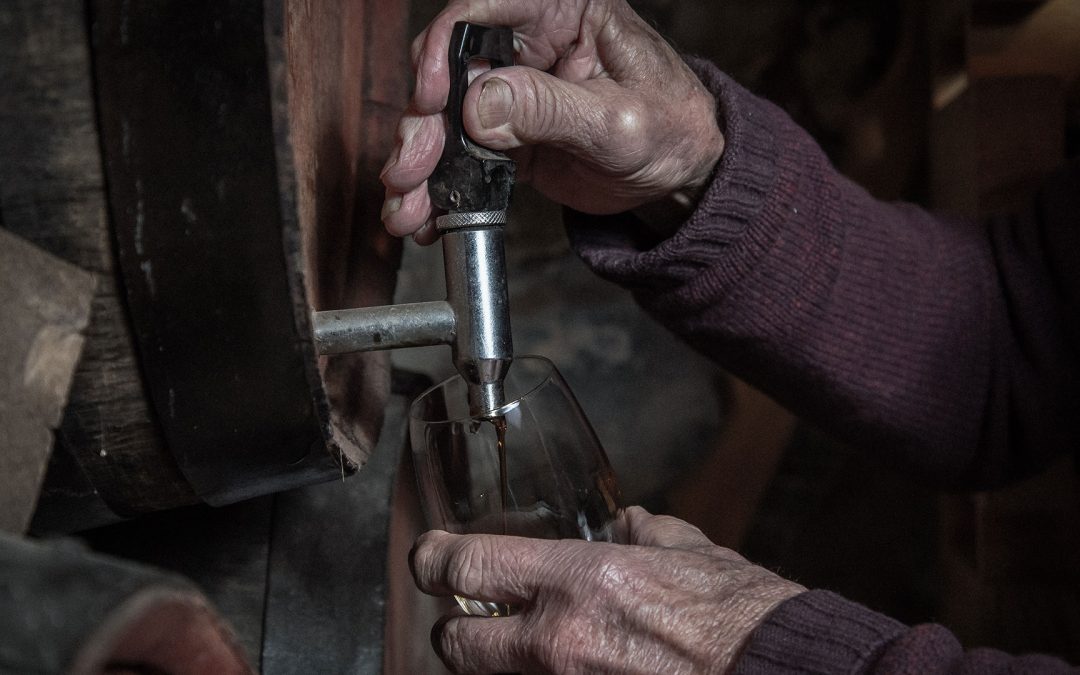
Filling fortified wine straight from the barrel at Liebichwein, Barossa Valley
Fortified wines have a long history in the Barossa Valley which is one of the most historic wine producing regions in Australia. Here at Liebichwein we certainly have a soft spot for fortified styles and love the fact that so many customers have home barrels for that extra touch of luxury at home. We pride ourselves on our extensive range of bulk fortified wines suitable for drinking now or further ageing in your own barrel. There are very few Barossa Valley wineries that offer the range we do for fortified wine lovers to taste, buy or refill containers of fortified wines.
There are six fortified wine styles sold by the litre for customers to taste and choose from. Many fortified wine lovers return with their own container and we sell reusable plastic containers (2, 5, 10, 20 litre). The wine you choose will ultimately depend on your taste preference and whether it is used to season a new keg, as a base wine or for topping up a barrel.
Winemaking
Ron Liebich continually makes large batches of bulk blends to keep up with demand by masterfully blending fresher vintage fortified wines with old museum stocks stored in the depths of the barrel shed. All fortified wines are produced from estate grown grapes left to fully ripen naturally in the vineyard. Ron loves the flavours of different grapes growing on the Liebich property so he makes his blends using four different varieties to produce flavour profiles ranging from aromatic, floral and sweet to spicy and nutty. Grenache, Semillon, Muscat, and Red Frontignac are all perfectly suited to fortified wine styles.
Bulk Fortified Wines
- Ruby Grenache – youthful unwooded Tawny is a light fruity style that is recommended to freshen up old syrupy or over-oaked barrel blends. It’s also pretty tasty on its own, a bit like concentrated berry cordial for adults.
- Ron’s Blend – smooth youthful Tawny style 2-3 years old, ideal for topping up barrels or freshening over-oaked or excessively aged barrel ports.
- Barrel Blend – rich semi-aged tawny with a balance of fruit and hints of woody notes (2/3 Ron’s + 1/3 Ben’s Blend). Only available at cellar door.
- Ben’s Blend – mature style aged 5 years with woody notes and spiced dried fruit. Ideal for adding to a newly seasoned barrel or adding complexity to a youthful base blend where more developed characters are preferred.
- Semillon – luscious white fortified with raisin and toffee flavours. Light youthful style for drinking now or adding to a barrel blend for sweetness and depth.
- Muscat – luscious white fortified with floral and citrus flavours. Light youthful style for drinking now or adding to a barrel blend for sweetness and depth (Muscat Gordo grapes)
- Frontignac – luscious fruity wine with aromatic, tropical and musk flavours to add sweetness and depth to a barrel (Red Frontignac grapes).
We invite you to visit cellar door to taste these wines in addition to a wide range of premium bottled fortified wines ranging in age from one to thirty years old. You can sit down and enjoy a fortified tasting experience to compare flavours, impact of barrel ageing and even taste rare museum fortifieds straight from the barrel. These unctuous, syrupy wines are certainly memorable and a sweet treat indeed!
Apr 2, 2020 | Barossa Food Flavours, Barossa Valley, Fortified Wine, Recipes, Wines
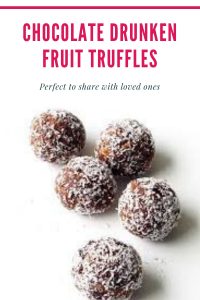
These quick and easy fruity truffles are delightful to share with loved ones over a cup of tea or coffee. Serve with aged Grand Tawny Port or Classic Muscat for the complete indulgent experience. Perfect to make as gifts for a special occasion like Easter, birthdays, Mother’s Day or Father’s Day.
We have a preference for dark chocolate, but feel free to substitute with milk chocolate or use dairy-free chocolate and cake to make them suitable for vegan diets.
Prep 20 mins Standing Time 1 hour Makes 24 Difficulty Easy
Ingredients
- 1 cup dried fruit, chopped
- 2 tbsp. orange zest, finely grated
- 1/4 cup fortified wine
- 125g dark chocolate, coarsely chopped
- 250g (2 cups) cake crumbs
- 1/2 cup desiccated coconut
Method
- Put dried fruit in a bowl with some boiled water for 10-15 minutes then strain.
- Mix fruit, orange zest and fortified wine of your choice.
- Melt chocolate pieces using a double boiler or microwave in a glass bowl.
- Add melted chocolate and cake crumbs to the fruit mixture and mix well.
- Place coconut into a shallow bowl ready for coating truffles.
- Roll mixture into small even balls with your hands, then roll each ball in coconut.
- Keep in fridge or freezer until ready to use.
- Devour!
Mar 2, 2020 | Barossa Food Flavours, Fortified Wine, Recipes, Red Wine
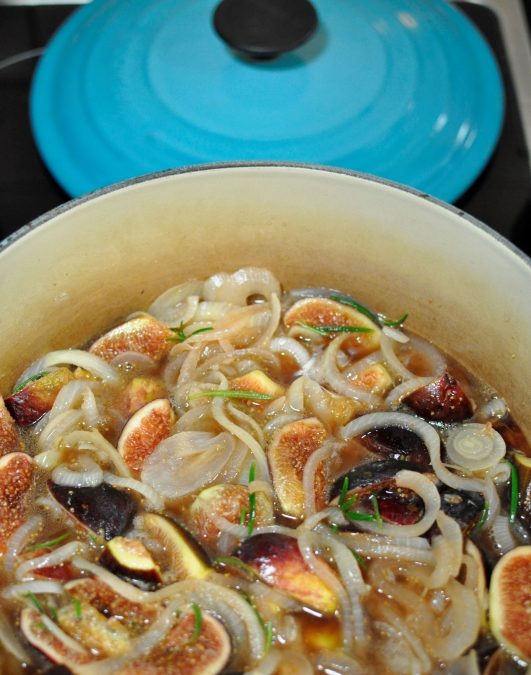
Caramelised Onion, Fig, Rosemary and Wine Sauce
This quick and versatile sauce is more like a savoury compote. Excellent condiment for using figs, especially when you have had enough of sweet fig-based desserts. Serve as a sauce with roast lamb, baked fish, on pizza bases or like a relish. It’s just as good made with a full-bodied red wine or Port style wine.
Prep 10 mins Cook 25 mins
Ingredients
2 tbsp olive oil
500g brown onions, sliced thinly
1 cup fresh figs or 1 cup dried figs
1/4 cup wine (Liebichwein red wine or Tawny Port)
1 cup stock (chicken or vegetable)
1 tbsp Liebichwein Muscat Vinegar (balsamic vinegar can be substituted)
1 tbsp chopped rosemary or thyme (fresh or dried)
Salt & Pepper to taste
Method
Prepare sliced onions and cut figs into quarters if using fresh figs.
Heat olive oil in large frying pan. Add onions and sprinkle some salt. Cook over medium heat, stirring occasionally, until onions are golden, about 20 minutes.
Stir in figs, wine, stock, vinegar and herbs. Increase heat to high and simmer until sauce thickens, about 5 minutes.
Add salt and pepper taste.
Store in a sealed container in the fridge for 2-3 weeks. Alternatively, freeze in small portions until ready to use.
Enjoy!
Feb 1, 2020 | Barossa Valley, Cellar Door, News and Views, Sparkling, Taste Notes, Vineyard, Wines
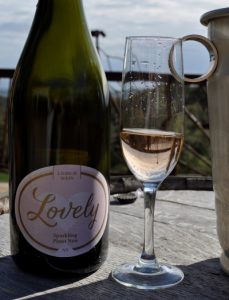
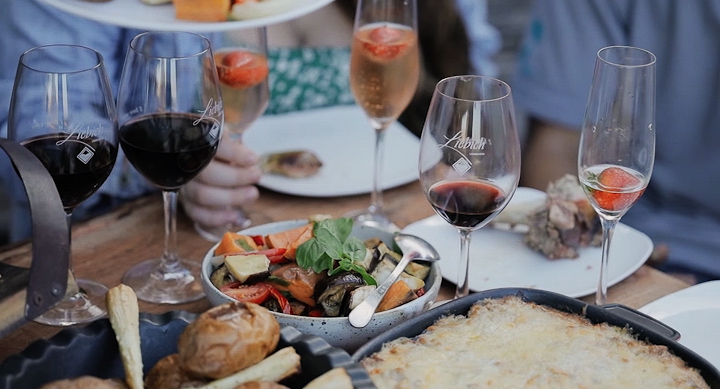
While the first Liebichwein sparkling wine project began as simply producing a wine for the family, it is now available as a limited release. We are over the moon with this Lovely Sparkling wine!
You may be asking, why have we made a sparkling and why has it taken us so long?
It’s no secret that Janet’s favourite wine style is fizz and our whole family enjoy sharing bubbles with friends and family.Ron has been experimenting with growing a variety of Pinot Noir clones and making the odd dry red which he’s been pretty happy with, but he was up for a new challenge. A trip to the Champagne region in 2014 was the inspiration needed for Ron to explore the realm of Traditional Method sparkling.
We knew we needed help with this project so we enlisted the support of Sean and Sue Delaney of Sinclair’s Gully and Simon Greenleaf who make fine wines in the Adelaide Hills. They all encouraged us to have a go and were willing to share their tips and provide access to their equipment. Excitedly, we embarked on the collaboration.
The Lovely Sparkling story started early in vintage 2014 when we handpicked our own Pinot Noir destined to be the sparkling base wine. This was then blended with fresher Pinot base wine from vintage 2016 to build complexity. In late 2017, we arranged a few rounds of dedicated tasting trials to get the balance of body and sweetness just right. The wine is hand-disgorged, dosaged, capped and labelled to order. We decided to use our own Ruby Fortified Grenache for dosage to add sweetness and a pink hue.
The next steps were to think of a suitable name and package. We chose the name ‘Lovely’ for a number of reasons. Our family name Liebich is very close to the German word ‘lieblich’ which means ‘lovely’, the Barossa Valley maintains strong German heritage, and of course the wine is pretty lovely to look at, sip and savour.
Taste Notes
Inspired by love and heritage, this blushing beauty offers tantalising strawberry and toasted brioche aromas leading to a lively palate that finishes dry to semi-dry. Simply lovely!
Quantities and strictly limited as each bottle is disgorged and labelled by hand.
Aug 5, 2019 | Cellar Door, Fortified Wine, Home Barrel Advice, News and Views, Personalised Tastings, Wines
FAQ’s Home Barrel Seasoning, Blending & Ageing
What is Tawny style Port wine?
Tawny style wine actually starts out like a Ruby or unwooded fortified, but then spends an extended period in oak barrels to soften and round out its character. As wooden staves allow oxygen to enter, this allows some of the wine to evaporate which concentrates flavours in the remaining wine. The slight gap of air at the top of the barrel increases the surface area exposed so the wine is basically slowly oxidising inside the barrel. The wine deepens in colour changing slowly from red-purple eventually to a dark amber or reddish-brown. The longer time in wood, the more complex the wine flavour profile and the smoother the wine becomes.
What do I fill a new barrel with?
Firstly, you need to know if the new keg is made from older red wine barrels or old fortified wood. Both keg types need initial warm to hot water treatment to lessen wood tannin impact on the new wine. The red wine oak barrel should have younger wine such as Ruby Grenache or Ron’s Blend to start with to help soak up the greater wood tannins, known as ‘seasoning’. An oak barrel previously used for fortified wine is best started with Ron’s Blend,as the barrel usually retains some wood tannins which will complement the fruit-foward wine.If wine remains a little woody, keep topping up with youthful Tawny, until the wine seems balanced with fruit and wood characters.
How often should I top up my barrel?
Top barrel according to usage; for infrequent use, it’s best to top with younger wine and if wine is poured frequently, a more mature Tawny such as Keg Blend is recommended. The barrel should not be emptied below 1/3 total volume. ?Note that a new barrel will absorb quite a bit of wine in the beginning.
How often should I taste my barrel wine?
Taste often, especially when using a new barrel as oak flavour can build up quickly in a wine. This will of course vary according to barrel size and cellar conditions (temperature and humidity) and whether the barrel wood was used for red wine or fortified wine. A smaller barrel will need more frequent tasting than a large barrel.
What is the typical lifespan of a barrel?
Well it depends on the purpose of the barrel. If you are looking to impart both flavours from the wood and structure in the form of tannins, a new oak barrel will continue to enhance wine for 4-5 years. After this the barrel becomes neutral and its main purpose becomes a storage vessel. The wine quality can still develop and improve as flavours will concentrate due to evaporation of some water content of the wine and also through exposure to oxygen. Generally, any barrel can last a lifetime and even generations if it never runs dry of good quality wine and is kept away from extreme heat, high humidity and sunlight.
How do I restore an old barrel?
A barrel that has been dry for some time and is loose is best taken to a Cooper to “knock up”, otherwise a handy person can use a hammer and blunt metal object to tighten the rings Then do a water treatment. A?second hand barrel with unknown history, it is wise to empty the barrel and start over again. Rinse out the barrel with hot water (1/10 volume of the barrel) at least twice so the top and bottom interior surfaces are covered and soaked for at least 30 minutes. Then fill with cold water and allow swelling for up to 3 days to check for any slow leaks. If barrel still leaks after 3 days then drain and refill. If any off-odours are present (e.g. vinegar, medicinal) the barrel can be rejuvenated by fermenting sugar and water in it, followed by a hot water rinse before filling with fortified wine. Check with a cooper or keg supplier if in doubt.
I’m moving house. How do I transport my barrel?
A barrel that will be empty for more than a few days needs some preparation to be stored correctly. Empty the wine into well-sealed containers (glass or plastic is fine). A little wine can remain in the bottom to keep the barrel from drying out. Wine barrels can be left empty for a week or so, even in warm temperatures, before drying out completely. To transport, the bung should be securely taped on.
How do I store an empty barrel for long periods?
Empty the wine into well-sealed containers (glass or plastic is fine). Rinse the barrel with hot water then drain it, and allow it to dry completely. To prevent any contamination, a dose of sulfur dioxide (SO2) is needed to protect the barrel. Firstly fill the barrel 2/3 with cold water. A storage solution can be made by adding 1 gram of citric acid and 2 grams of SO2 for very litre of barrel volume. Mix this solution in a separate container with a small quantity of hot water so that everything becomes completely dissolved into the liquid. Add the solution to the barrel, roll the barrel to mix, and top it up the rest of the way and insert the bung. You will need to top up the barrel with more of the holding solution every 4 – 6 weeks, but the barrel can be stored like this indefinitely.
An important safety consideration is that SO2 is fairly safe to handle but you should wear gloves and work in a well-ventilated area to avoid breathing its fumes when handling it. Note that SO2 can be purchased from any brew shop as Sodium or Potassium Metabisulphite.
My wine has a medicinal off-flavour. How can I fix it?
Commonly medicinal flavour can occur as a combination of wood character and fruit flavours from the wine. It can be blended out by keeping the barrel topped with younger fault-free wine and having a little patience.
My wine has a vinegar-like off-flavour. How can I fix it?
The wine is probably infected with acetobacter (vinegar bacteria) or wild yeasts. The vinegary off-flavours can be blended out by keeping the barrel topped with younger fault-free wine and having a little patience.
My wine has a mouldy/musty off-flavour. How can I fix it?
If a barrel or its contents has or develops a mouldy, mushroom-like taste or odour, then this is quite difficult to fix. It’s best to empty the barrel, sterilize and start again with fresh wine refill. A fermentation of sugar water is a good solution to rejuvenate a barrel with off-flavours.
My wine is thick and syrupy. How can I make it more drinkable?
If wine is thick, viscous and syrupy it is a sign of old age. It will need topping up with fresh young wine such as Ruby Grenache or Ron’s Blend to dilute aged oak flavours. There is no need to wait as adding younger wine will make it more drinkable straight away.
What does turn barrel mean?
This is done when treating a new barrel to season it. By using a few litres of wine you can season more surface area of the barrel. Every few days, turn the barrel a little on its cradle. This can be done over a period of two weeks. Check how the port tastes before deciding to empty the initial wine or keeping it with some woody flavours and topping up with fresh wine. Now for a little patience before having a nip.
Can you blend sweet/dry sherry in a port keg?
Yes, you would add dry sherry to make a drier wine blend. By adding a sweet sherry style (Apera), Semillon,Frontignac or Muscat you would end up with a sweeter blend. Blend according to your preferred taste.
Can you blend fortified wines of different ages in a port keg?
Yes, in fact we recommend it to build complexity of the wine. To help give a keg a dramatic lead on the road to complexity we sell very old wines we call ‘rancio’ premium aged fortifieds. Sold in 100mL wax-sealed bottles in four different varieties; Muscat, Frontignac, Semillon and Tawny (Grenache).
To order bulk or rare old fortified wines, head to our wine shop.
Sep 30, 2018 | Barossa Valley, Competitions, Fortified Wine, Home Barrel Advice, News and Views, Personalised Tastings, Wines

Announcing the winners of the prestigious “Best Home Barrel Blend” for the 2018 competition. Judging took place in September with three expert judges deliberating samples of Tawny and white fortified wines sent in from our customer base.
Wines were very high standard with very little to pick on in terms of faults. All entries were worthy of medals. The winning wines showed complex flavours, great depth and balance. Entrants gained Ron?s specialist advice on how to improve their blend, which we believe is the most important outcome of this event.
Thanks to everyone who entered and helps support our business. We are only too happy to help you with our complete range of fortifieds to achieve the best results for your barrels.
Congratulations to all winners!
First Place: John Ridenour
Second Place: Martin Kennedy
Third Place: Filippo Pizzino
Ron Liebich’s winemaking comments:
Smaller barrels need to be “worked” to achieve best results. It is ok to have great rancio characters, the high ratio of wood in small barrels to wine means adding younger wine at times, preferably with minimum wood age (such as Ruby Fortified) as a portion of the addition. Youthful fortifieds are perfect for blending out excess wood tannin and maintaining fruit wood balance. The gold winners had the best balance of fruit and oak integration, indicating good management and? patience.