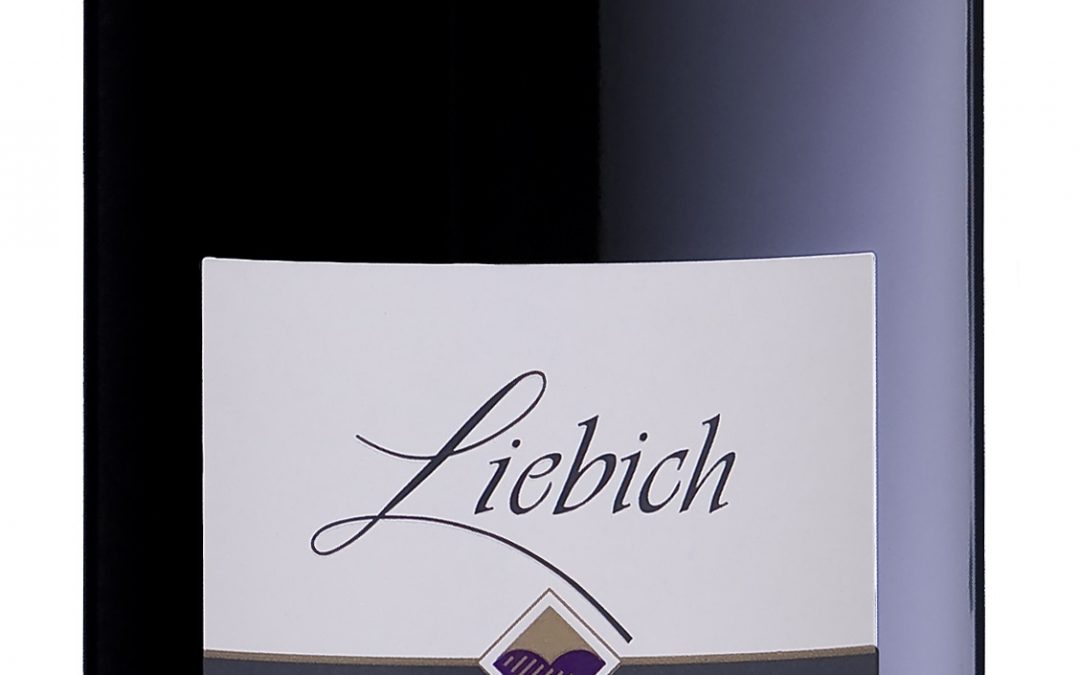
Liebich Lofty Cabernet Sauvignon is wine of great quality and character dedicated to Ron’s father, “Lofty” (Lesley Alwyn) Liebich (1916-1953) who was a man with high ideals. Produced in special vintages since 1992 when the cellar door was established.
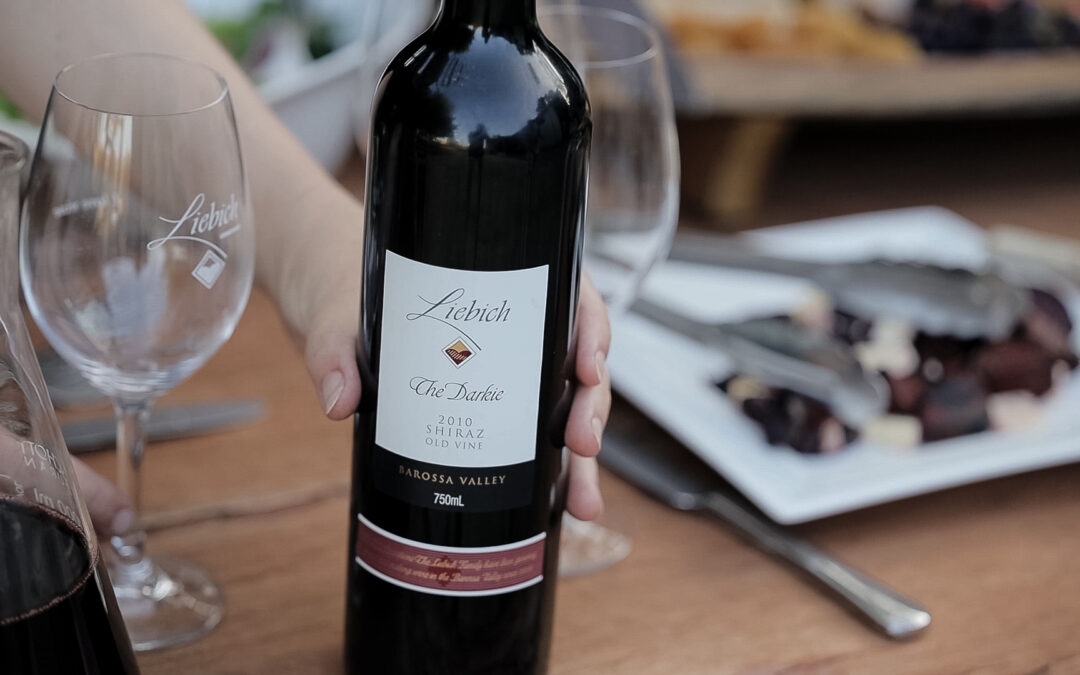
Single vineyard wine sourced from the old 40 acre block, planted by Clarence Walter “Darkie” Liebich in 1969. Dead arm affliction reduces yield but enhances flavour as does the use of hand-pruning and minimal irrigation. The vines grow on heavy black biscay soil at Rowland Flat on the eastern foothills of the Barossa.
Special museum stock is released as it becomes available. The last vintage 2006 bottled under The Lofty label was a very good growing season resulting in an extremely low yield of 1 tonne per acre. Traditional techniques of hand plunging, basket-pressing with no fining or filtration were employed for fuller flavour.
A typical Liebichwein Cabernet Sauvignon is a rich and enticing wine exhibiting violet and spiced blackberry fruit nuances perfectly balanced with the subtle oak after maturation for over five years in various aged French oak barrels. Super concentrated flavours and ultra silky tannins. This style of Barossa Cabernet Sauvignon will always be good drinking and will reward patience with bottle maturation for at least 15-20 years.
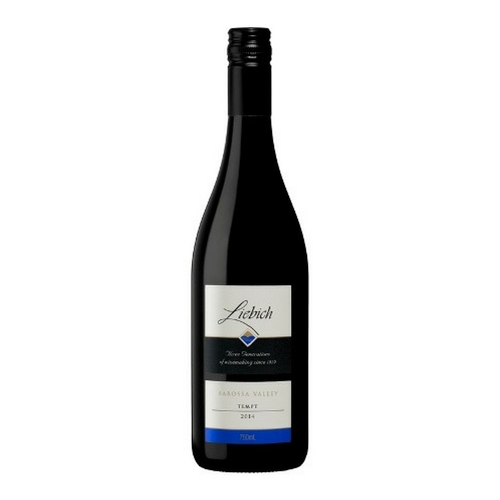
TEMPT is a red blend that was released a few times in the history of Liebichwein when the fruit was available. The wine is a unique blend of Tempranillo, Petit Verdot and Merlot. Tempranillo and Petit Verdot grapes have been planted on the Liebich property since 2000. The fruit grows in heavy red/black soils on the southern foothills of the Barossa Ranges. The Petit Verdot and Tempranillo vines are some of the oldest in the Barossa Valley region. Merlot came from mature vines over 20 years old.
Traditional techniques of hand plunging, basket-pressing and bottling without fining or filtration, all help to preserve the essence of fruit. All Liebich reds are vegan-friendly due to no fining. Older vintages are very low in sulfites as any initial sulfur dioxide has been used up over an extended time in bottle.
These wines were bottled under screwcap to immortalise the magnificent flavours beyond the life span of cork. Only small batches were made from select vintages over the years. Less than 2 dozen of each vintage remain from a stash of bottles that have been stored in cellar conditions.
All Vintages Produced: 2004, 2014
TEMPT Vintage 2004 – 73% Tempranillo, 15% Merlot, 12% Petit Verdot, Oak maturation of 8 months in French and Hungarian oak.
Deep, dark red with a brick red tinge. A wholly tempting fruit-driven style with pronounced raspberry and mulberry aromas. Berry, oak and mushroom flavours entwine with the soft fine tannins. A well balanced wine with great length. 13.7 % alc/vol
TEMPT Vintage 2014 – 44% Petit Verdot, 38% Merlot, 18% Tempranillo, Oak maturation for 18 months in seasoned French oak
Deep, dark red with a brick red tinge. A wholly tempting blend. Petit Verdot provides attractive berry fruits, Merlot rounds out the smooth body and a splash of Tempranillo adds depth and lengthens the palate. 14.5 % alc/vol
What happens as red wine ages in the bottle? The ageing of red wine in bottle can be affected by many factors including the type of seal used. At Liebichwein we have chosen to use both screwcap and cork for our reds and often do comparative tastings with fascinating outcomes.
Here are a few ways in which cork and screwcaps differ for wine:
Oxygen exposure – The key difference between screwcaps and corks is the amount of oxygen exposure that the wine receives during ageing. Cork seals allow a little bit of oxygen into the bottle over time, while screwcaps are a much more airtight seal. So wines under cork with slightly more oxygen ingress will tend to age faster. Tannins become softer, acidity mellows, and flavour complexity develops faster for reds under cork.
Consistency – It’s true that screwcaps are so popular now as they are more consistent than cork, which can vary in quality and consistency. Wines with screwcap are less likely to be affected by issues such as cork taint or oxidation, which can affect the wine’s flavour and aroma.
Ageability – The long-term ageability of wine with screwcap vs cork seals is still widely debated among wine experts. While some believe that screwcap-sealed wines may not age as well as cork-sealed wines, others argue that screwcaps can provide a more consistent ageing environment, which can lead to more predictable aging patterns.
Flavour preservation – Screwcap seals are perfect for preserving fresh fruit flavours of young red wines and wines to be consumed in their youth. Research has shown that cork seals may allow more rapid development of tertiary aromas and flavours such as dried/cooked fruits, leather and earthy notes.
In a nutshell, the development of bottled red wine will depend on a range of factors, including the wine style, grape variety, storage conditions, cellaring time, and personal preference. While screwcap seals are commonplace in recent years due to their consistency and effectiveness at preserving fruit flavours, many wine enthusiasts (and winemakers like Ron Liebich) still prefer the traditional cork seal for its perceived ability to enhance ageing potential and develop complex flavour profiles.
From time to time, we offer museum tastings where we can compare the same vintage sealed with cork and screwcap. Get in touch if you’d like to try this for yourself and we’ll dig out some bottles from the Liebichwein cellar.
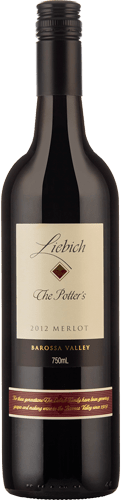
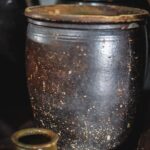
The Potter’s Merlot story is one about Potter Samuel Hoffmann, a master potter and craftsman who was the first settler on the Liebichwein property in 1848. Remains of his activities can be found today as shards in areas of the farm in Rowland Flat, but alas, very few whole pots still exist. You might be lucky to see some of Samuel Hoffmann’s pots on display in the Art Gallery of South Australia.
Varietal: 100% Merlot
Region: Rowland Flat, Barossa Valley
Vineyard and Vinification: Merlot vines were planted in 1989 and trained on 5 foot high single wire trellis system to maximise ripening the fruit. Vines are grafted onto two varieties of rootstocks and yield between 3 to 5 tonnes per acre depending on the season. Merlot fruit always shows opulent ripe mulberry and cherry flavours. Traditional winemaking techniques and subsequent maturation in various aged French Vosques and Nevers oak barrels result in Merlot wines of weight and complexity.
Vintages: Produced between 1998-2003 as a 100% varietal then the Thumb-press Cabernet Merlot was introduced into the range. The next 100% Merlot single vineyard wines produced were in 2008, 2010 and 2012 vintages.
Tasting Notes: Deep crimson in colour. A robust full bodied Merlot. The seductive nose of ripe mulberry and pomegranate aromas integrated draw you into the ripe fruit and spicy flavours. Fine-grain tannins, smooth viscosity and a long, rounded finish feature in this wine.
Note: since 2002, both cork and screwcaps have been used to bottle these wines. A few select vintages are available as museum release 750ml and 1.5L magnum bottles.
We are proud to present the 2012 Thumb Press Cabernet Merlot. Lovers of a good classic red blend won’t be disappointed. We named this wine in honour of Master Potter Hoffmann who settled on the Liebich property in the 1850s and left his thumb print on each of his creations. These perfectly paired varieties were grown on the Liebich property in the eastern foothills of Rowland Flat where heavier red brown black soils predominate.
Winemaking: This wine was hand plunged and basket-pressed, then spent 24 months in mainly seasoned French oak before being bottled without fining or filtration, to help preserve optimal fruit flavours. The 17% Merlot component delivers black cherry and mulberry blending seamlessly with the perfumed violet characters of the 83% Cabernet Sauvignon from low-yielding vines.
Taste Notes: Medium body, crimson brick red colour with brick red hue. Full ripe mulberries and cherries with a hint of floral violet entwined with soft spicy oak and a refreshing acid linger on the finish. A rich and rewarding mouthful! Alc. Vol. 14.5%
A wine of complete elegance and beauty from the excellent 2012 vintage. This wine was bottled under screw cap to immortalise the magnificent flavours beyond the life span of cork. Enjoy now and for at least 15 years, particularly with lamb and duck dishes.
All Vintages Produced: 2002, 2003, 2005, 2008, 2010, 2012
Note that early vintages were labelled ‘Crackerjack’ instead of ‘Thumb-press’. The very first version was made using 100% Cabernet Sauvignon. Subsequent vintages were roughly 80:20 Cabernet: Merlot blend.