Mar 2, 2020 | Barossa Food Flavours, Fortified Wine, Recipes, Red Wine
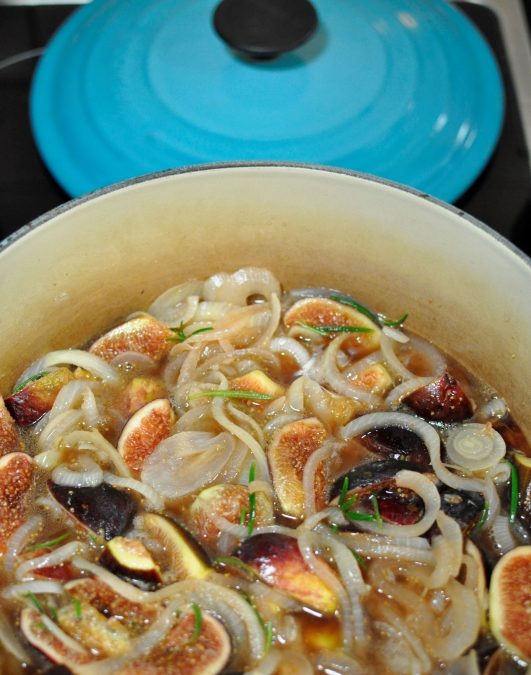
Caramelised Onion, Fig, Rosemary and Wine Sauce
This quick and versatile sauce is more like a savoury compote. Excellent condiment for using figs, especially when you have had enough of sweet fig-based desserts. Serve as a sauce with roast lamb, baked fish, on pizza bases or like a relish. It’s just as good made with a full-bodied red wine or Port style wine.
Prep 10 mins Cook 25 mins
Ingredients
2 tbsp olive oil
500g brown onions, sliced thinly
1 cup fresh figs or 1 cup dried figs
1/4 cup wine (Liebichwein red wine or Tawny Port)
1 cup stock (chicken or vegetable)
1 tbsp Liebichwein Muscat Vinegar (balsamic vinegar can be substituted)
1 tbsp chopped rosemary or thyme (fresh or dried)
Salt & Pepper to taste
Method
Prepare sliced onions and cut figs into quarters if using fresh figs.
Heat olive oil in large frying pan. Add onions and sprinkle some salt. Cook over medium heat, stirring occasionally, until onions are golden, about 20 minutes.
Stir in figs, wine, stock, vinegar and herbs. Increase heat to high and simmer until sauce thickens, about 5 minutes.
Add salt and pepper taste.
Store in a sealed container in the fridge for 2-3 weeks. Alternatively, freeze in small portions until ready to use.
Enjoy!
Feb 6, 2020 | Barossa Food Flavours, Barossa Valley, News and Views, Recipes

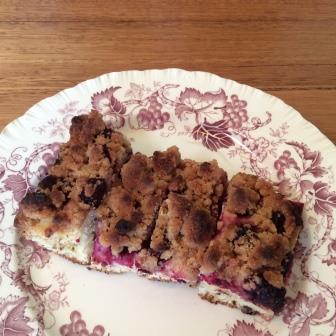
Traditional German Streuselkuchen is a family favourite! This cake has a sweet yeast dough base and is topped with fresh or preserved fruit and a crunchy sweet crumble. It brings back so many good memories of Barossa afternoon teas and family gatherings. In summer we use mulberries, plums or apricots while in autumn we use pears, apples or grapes.
Prep 2 hours Bake 20 mins Makes one large cake 45 x 30cm
Yeast:
- 2 teaspoons yeast
- 1 teaspoon sugar
- 1 cup milk warmed
- 1 teaspoon plain flour
Cake:
- 700g (1 lb) plain flour
- Pinch salt
- 70g (2 oz) butter
- 85g (3 oz) sugar
- 1 egg, slightly beaten
- 1 cup sultanas or currants
- 1 teaspoon vanilla essence
- Milk for glazing
- 3 cups of thinly sliced fresh fruit or whole berries (optional)
Streusel Topping:
- 2 cups plain flour
- 1 cup sugar
- 1 cup butter
- Sprinkle ground cinnamon
Directions
- Place yeast in a small bowl, add sugar and warm milk, plain flour, mix cover and stand in a warm place until the mixture turns frothy (takes around 15 minutes).
- Start making cake dough by sifting flour into a bowl, add pinch of salt. Rub butter and sugar into flour (flavourings may be added here).
- Add beaten egg to yeast mixture. Mix in the flour a cup at a time. Once the dough is too thick to mix, use hands to mix it and knead gently for a minute to a soft dough.
- Spread dough approx. 2cm thick onto a large oven tray. Brush cake top with milk to help streusel stick.
- Place seasonal sliced fruit or whole berries on top.
- To make streusel, rub sugar and softened butter into flour and cinnamon. Press with your fingers to make crumb consistency.
- Sprinkle streusel over the whole cake. Cover and keep in a warm place. Let the cake rise for an hour or until double in thickness.
- Bake at 200C for 15-20 minutes or until edges of cake are golden brown.
Feb 1, 2020 | Barossa Valley, Cellar Door, News and Views, Sparkling, Taste Notes, Vineyard, Wines
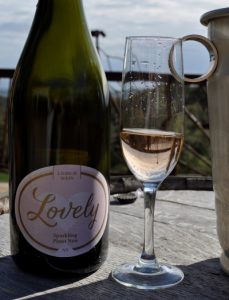
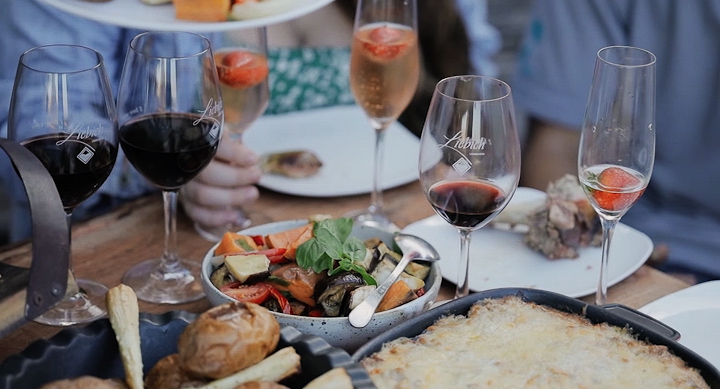
While the first Liebichwein sparkling wine project began as simply producing a wine for the family, it is now available as a limited release. We are over the moon with this Lovely Sparkling wine!
You may be asking, why have we made a sparkling and why has it taken us so long?
It’s no secret that Janet’s favourite wine style is fizz and our whole family enjoy sharing bubbles with friends and family.Ron has been experimenting with growing a variety of Pinot Noir clones and making the odd dry red which he’s been pretty happy with, but he was up for a new challenge. A trip to the Champagne region in 2014 was the inspiration needed for Ron to explore the realm of Traditional Method sparkling.
We knew we needed help with this project so we enlisted the support of Sean and Sue Delaney of Sinclair’s Gully and Simon Greenleaf who make fine wines in the Adelaide Hills. They all encouraged us to have a go and were willing to share their tips and provide access to their equipment. Excitedly, we embarked on the collaboration.
The Lovely Sparkling story started early in vintage 2014 when we handpicked our own Pinot Noir destined to be the sparkling base wine. This was then blended with fresher Pinot base wine from vintage 2016 to build complexity. In late 2017, we arranged a few rounds of dedicated tasting trials to get the balance of body and sweetness just right. The wine is hand-disgorged, dosaged, capped and labelled to order. We decided to use our own Ruby Fortified Grenache for dosage to add sweetness and a pink hue.
The next steps were to think of a suitable name and package. We chose the name ‘Lovely’ for a number of reasons. Our family name Liebich is very close to the German word ‘lieblich’ which means ‘lovely’, the Barossa Valley maintains strong German heritage, and of course the wine is pretty lovely to look at, sip and savour.
Taste Notes
Inspired by love and heritage, this blushing beauty offers tantalising strawberry and toasted brioche aromas leading to a lively palate that finishes dry to semi-dry. Simply lovely!
Quantities and strictly limited as each bottle is disgorged and labelled by hand.
Jul 1, 2019 | Barossa Valley, Cellar Door, News and Views, Vineyard
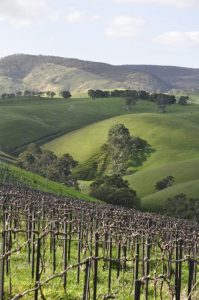 A magical spot where you feel on top of the world.
This view is high up in the Barossa Ranges between Steingarten Road and Trial Hill Road. The ‘Steingarten’ (meaning stone garden) vineyard was planted in the 1960’s by the Gramp family who were inspired by the narrow vineyards planted on stoney ground in areas of Northern Germany.
To see for yourself, ask in cellar door for directions and you’ll be blown away (quite literally in winter) in only a few minutes drive from our cellar door.
Our backyard is stunning during winter!
Apr 30, 2019 | Barossa Valley, Cellar Door, Events, News and Views


All the traditions of the long-running Barosa Vintage Festival were celebrated in April 2019.?We had a ball celebrating a century of Liebich family winemaking heritage in the Barossa Valley.?Winemaking is in Ron’s blood starting with his Grandfather, Benno Liebich, who established a family winery in Rowland Flat in 1919.
The cricket theme for the float was selected given that between Ron, his Uncle “Darkie” and grandfather Benno?they had notched up 100 vintages not out. We rolled out the turf on the back of a truck, set up stumps, donned the whites and rolled the arm over.
Read more about Liebich family history here.
Sep 30, 2018 | Barossa Valley, Competitions, Fortified Wine, Home Barrel Advice, News and Views, Personalised Tastings, Wines

Announcing the winners of the prestigious “Best Home Barrel Blend” for the 2018 competition. Judging took place in September with three expert judges deliberating samples of Tawny and white fortified wines sent in from our customer base.
Wines were very high standard with very little to pick on in terms of faults. All entries were worthy of medals. The winning wines showed complex flavours, great depth and balance. Entrants gained Ron?s specialist advice on how to improve their blend, which we believe is the most important outcome of this event.
Thanks to everyone who entered and helps support our business. We are only too happy to help you with our complete range of fortifieds to achieve the best results for your barrels.
Congratulations to all winners!
First Place: John Ridenour
Second Place: Martin Kennedy
Third Place: Filippo Pizzino
Ron Liebich’s winemaking comments:
Smaller barrels need to be “worked” to achieve best results. It is ok to have great rancio characters, the high ratio of wood in small barrels to wine means adding younger wine at times, preferably with minimum wood age (such as Ruby Fortified) as a portion of the addition. Youthful fortifieds are perfect for blending out excess wood tannin and maintaining fruit wood balance. The gold winners had the best balance of fruit and oak integration, indicating good management and? patience.